Our Mission

To live a self-sufficient and organic lifestyle for the next half century. With the Grace of God and the power of prayer, we will succeed. Nothing is impossible with His help. It wouldn't be us without laughter and joy at the Cockeyed Homestead.

Find out more about our homestead on these pages

Showing posts with label orchard. Show all posts

Sunday, September 29, 2019

Is Preserving Your Own Food Safe and Cost Effective?

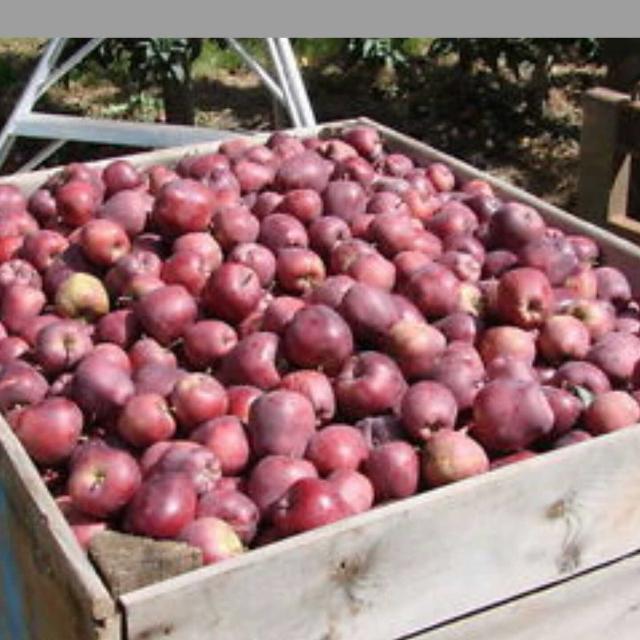
As you may have read in my last post, I'm up to my ears in apples! Well, not really, but still a lot. Since our orchard didn't produce this year, I've resorted to buying deer apples again. Why? Because they are cheaper to purchase. At $15, a bushel, it's a better way of preserving for my apple needs. Store grade apples, the pretty ones, sell for $3.23 lb (organic). That's $209.95 for a 65-lb bushel. Say it together now CHA-CHING! Smart savings! I calculated I'd need four to five bushels for 1-2 years worth of apple products.

Let me break down the math for you. All of these are pre-tax prices. No labor costs are included and I'll admit to labor cost being high in the homesteading option, but I have nothing but time.

In a year, we use...

 STORE BOUGHT
7 gallons of Apple cider vinegar (for cleaning, cooking and other household uses) @ $2.68 for each...$18.76
6- 12 oz jars of apple butter @  $2.50 each...$15
10 gallons of apple juice @4.75 each... $47.50
6- 16 oz jars of applesauce @ $2.99 each...$17.94
4-16 oz jars of apple butter @ $2.86 each...$11.44
18-12 oz cans apple pie filling @ $3.12 each...$18.72
5- 12 oz jars of apple jellies/jam @ $3.19 each...$15.95
5 boxes of fruit pectin @ $3.59 each...$17.95
2 lbs of dehydrated apples  (even at the Dollar Tree)...$36
2 tanks of gas, oil, maintenance of vehicle @ $2.58 per gallon (17 gallons) averages out to$100.
That's $214.21 in apple products a year for 2 people.

Now take a look at the numbers for the same home preserved products shall we?
7 bushels of organic apples... $105 (will almost free when our trees start producing)
10 lbs sugar...$17.85
3 TBS sugar $0.50
3 lemons...$3.00
193 lids for canning jars...  (bought in bulk) $3.57
4- 5 gallon food safe buckets...FREE, Grocery bakery trash

193- pint and quart canning jars and rings...FREE
Propane, electricity, gas... Averaged out to $35
That's $162.10 in apple products a year the homesteading way.

In favor of canning my own...
  • It's only about a $52 savings now, but oh, the benefits. I know I'm getting an organically grown product. 
  • I'm eating local. The source 40 miles from me. 
  • I know everything about these apples because I know the grower. 
  • I know what is in my food.
  • It's made to my tastes rather than having to tweak it.
Conversely
I can't say the same thing about store bought product.
  • Food inspectors allow for so many insect parts, foreign debris.
  • They aren't standing over each and every employee to watch them wash their hands or see if they are sick or not, nor where they've been in their work clothes.
  •  A fairly recent survey (2005) prove it. What percentage of women do not wash their hands before returning to work unless someone else is in there too? Drum roll please (ra-tata-tat) 75%!!! These are the people who are preparing and serving your food! Let's all go out to Mickey D's after this...uh, no.
  • Food inspectors only take small samples of huge volumes to inspect. What's been missed. 
  • The average length of a food inspector is an hour or so. So many places to inspect, so little time. They hit the most likely place for infection/contamination.
  • How many cases of food poisoning have you heard about regarding these points in recent years...mostly due to employee error- hundreds, thousands, or millions of people?
  • Have you ever asked to see an inspection report? Shame on you.
The numbers will change over the next ten years. Store bought will increase in cost, while the cost of my home grown products will continue to decrease with the maturity of our apple and lemon trees. Although, the price of sugar will increase too. Unless, we start growing our own sugar cane. That's doable too.

I reuse my canning lids when I can too to reduce my overhead. The lid price is IF I only can with brand new lids. I've thought about purchasing the Tattler lids, but that's going to be made over time in multiple purchases. I've got 1,000 pint jars (36 are wide mouth), 48 half pint jars, 24- 1/4 pint jars, 18 pint and a half jars (wide mouthed lids), and 48 wide mouth qt jars in my inventory. I don't use all those at once. But IF the SHTF, I'm ready. They'll be a valuable trading item. But having so many jars is a buffer against breakage. They are glass after all. For two or three years worth of canned meats, fruits, vegetables and condiments, I might use all of these jars in one sitting, but I doubt it. Add to this my dehydrated stores and maybe I'd fill them all. I'm still on the lookout for cheaper half gallon canning jars for things like dry canning cornmeal, sugar, flour, rice, and dried beans in. Carry around 3 and 5 gallons buckets every time I need to replenish household staples gets tiring. A half gallon jar fits so nicely in my shelves. I'm not a spring hen, nor a fall hen anymore as this year of illnesses has proven to me.

To buy Tattlers for that many jars is huge money to convert to Tattlers (@ $70 for a 100 or 12 dozen for $120) from Ebay for regular sized lids). The wide mouth jars are handy when canning certain items like meatloaf and special breads. But, the Tattler wide mouth kids are equally as dear @ 10 dozen for $90. Of course, you always need to have spares on hand just in case of an unexpected gifts of produce from friends and family like one of my subscribers who was gifted asparagus this past Spring.

Then, there is the problem like we faced. Sure, Tattler lids won't rust, but rats will chew through them. If a tin lid fails after numerous attempts to seal. you can repurpose it into something else (everyone find a use for little bits of metal. Or chuck it. It only costs pennies instead of almost a buck each. What about a Tattler? It's plastic. I don't know about you but in my mind, plastic equals disposable, but the cost is premium. I can come up with one possible repurpose use. A guard in the hen side to hold down waste in an automatic chicken feeder, but it may even be too small for that. I could probably think of some other ideas, but my brain is too busy thinking of ways to use what we've got already.

So is preserving your own food safe and cost effective? In my book it is. While buying product to can isn't the best way to do it, it still saves money. Yes, you have to work at it, but isn't that true for everything you've gotten or achieved? I know my body feels better without all those petroleum/chemical based fertilizers or insecticides in them. Your body is your temple treat it with loving care and it will continue helping you along your path. Or like my old computer programming days, GIGO garbage in, garbage out.

Y'all have a blessed day!
Cockeyed  Jo


Sunday, December 2, 2018

We're Still at it- Putting the Orchard to Bed

We're down in the orchard this week again. We're a few weeks late with this project. The outside temperatures during the day are a brisk 40 ish degrees. The on and off again cold rains have put us behind. We're putting the orchard to bed for the winter. I bought two rounds of straw. They were cheap enough at $40 a round. That's a lot of straw and we're spreading it by hand! If we could just snap the twine and netting holding it all together and simply roll it out on the tiers it would be easier, but they are so blasted big and heavy, we can't.

We dumped one round on one side of the orchard and the other on the other side. About midway down on the five tier levels. We were thinking smarter than harder. We each grab a cart and wheel barrel full and spread it along each tier. Once we reach the other side, we do it again. This time with the other bale. It would go faster with many hands, but we've only got three so we keep plugging away at it. Between the two of us, we can cover a 4'x75' tier in a day laying the straw 12" deep. This is on top of the wheat, barley, oats, and wheat orchard grass we planted in the spring.

On top of the straw we are broadcasting bone meal, blood meal, and sifted manure and straw from the bunny barn and chicken coop to speed the composting process faster. The larger chunks have been broken down to where they are in usable 1/4" size. Mel built a compost/manure screen to do this. Then, we spread another 6" or so of straw on top.


Fresh chicken manure is nitrogen rich, but it will break down with the straw and rains so it will be plantable by spring.While most compost mixtures are 2:1 carbon to nitrogen our orchard leans more the 4:1 carbon to nitrogen using half aged to fresh chicken manure. Yes, chicken manure has that much nitrogen. The late fall/early winter rains will water it in.  Eventually, snowfall, will do their part in keeping the mixture moistened during winter.Thank you Mother Nature. Again, we are working smarter not harder.

How do I know this about fresh or half aged chicken manure? The straw bales that we seasoned and planted in last spring, we broke apart this fall. We seasoned them with hot chicken manure. They were cooking and fertilizing our Roma tomatoes all growing season. When we pulled the last of our tomatoes up, the bales fell apart. Other than a very thin outside layer of wheat straw, it was all compost inside. All I had to do was pull off the baling twine. Neat, huh! I figured to get two years use out of the bales, but that didn't happen.  Each of the bales were also full of earth worms, a double whammy of benefits. The same will be true with the orchard.

This should be the last time we have to do so much in the orchard to build up the heavy clay soil. They say, the third time is the charm, I'm hoping so. All will be tilled in to lighten the clay even more in the spring. The whole area will be sown with orchard grass and wheat to keep weed seeds from coming up in the orchard. We had fewer and fewer sprout the last two years. The whole area besides where the apple trees, fruiting bushes, and grapes are. We can now dig down a foot and not hit any hard, compacted clay or granite. That's been the whole point of doing this. It will only get better from here.

The year after, spring 2020, we'll be sowing dye source, wild flowers on the lower tier under the pecans and black walnut trees to hold unwanted weeds to get a foothold. They'll self sow themselves while the two-year old trees mature. I've read that there is concern that black walnut trees can poison and area for edible crops, but dye source flowers should do well. At least until the canopies of the trees block the sun. Then, we'll sow orchard grass back into that area and plant the wild flowers for dyes one tier up. But that's a job for four years from now.

Y'all have a blessed day!
Jo

Sunday, October 28, 2018

Planting Garlic Cockeyed Style

I bought heads of garlic from the store this week. The bulbs were on sale for 5/$1 so the price was right. I bought twenty heads. Twenty??!! Yes, twenty. I hear ya. That's a whole lot of garlic. You must really love it. We do but I had other plans to justify this mad purchase. First let me say that, these heads were gorgeous! Firm, plump cloves in a tight bulb, unlike garlic that has been sitting around for a while.

I broke all but two heads into cloves. The two full heads would be used for cooking in the next few weeks. Ten heads were sliced on my mandolin, and put into the dehydrator for garlic powder later. The remaining eight heads of garlic cloves went into a baggie. These were destined for planting in the orchard.

This week I loaded the pull behind cart for the yard tractor with compost. Neat trick single handed, but I accomplished it. It was time to side dress/aka fertilize the fruit trees and bushes before their long winter's dormancy. I tossed my thrift store find of an old military folding shovel on top of the pile, the baggie of garlic cloves, and headed for the orchard.

I also had all the skins peeled from the heads in a paper bag. I could have dumped it all in the new compost pile, but figured it could also compost in place over winter in the orchard too. The extra garlic smell would deter deer and several other critters away from my young trees and bushes. In this bag I also had cayenne and various other pepper seeds. There is a method to my madness just keep reading.


Down in the orchard, I shoveled and raked in the compost around the tree trunks in about three foot circumference. This is the first year for these trees on our property so three feet is good. Next year, I'll do six feet to catch the feeder roots. I use my index finger's first joint to measure down a small hole in the compost about an inch (or there about) down. I push in a garlic clove pointy side up. Moving over about a foot and plant another. I did this all the way around the tree. Then, I eyeballed six inches, the breadth of my hand from the tip of my pinky finger to the tip of my thumb is six inches out stretched, and planted a clove in between where I planted the previous row. Yes, I know garlic can be planted six inches apart. I covered up all the cloves and moved to the next tree and repeated the process. I sprinkled the whole area with the pepper seeds and garlic skins. All this will be covered with hay/straw mulch next month. We'll let Mother Nature water it all in.

By spring thaw, the bulbs and seeds should germinate giving me a jump start on harvesting. The seeds will know the optimum time to grow as the soil warms. While an abundant harvest of garlic would be sweet, I really don't expect the garlic to do much this year. I'll let most of it go to seed. My main purpose for planting this much garlic is to use it as a varmint (squirrels, rabbits,deer, etc) and organic pest (moths, flies, mosquitoes, etc) control.

I repeated this around the raspberry, blueberry, and grapes except the initial circumference was one foot around the bases of the plants. It has taken me all week to do this, but it's done. In the spring, we'll be sowing more wheat, barley and orchard grass in the orchard too.

That's it for this week.
Y'all have a blessed day.
Jo

Sunday, May 6, 2018

More on Seeding the Orchard Area and More

Since Paul, our brother in Christ, was nice enough to give us his time, tiller, gas, and fellowship. We returned the blessing to him and his wife. He didn't leave empty handed. Nobody does that comes into our lives. I filled his stomach with my best lamb stew. I also sent him home with a jar of my pickled eggplant, orange marmalade, dill pickles, a dozen and a half fresh eggs, and apple butter. I vastly overestimated my needs for these. I was blessed in abundance of the raw materials to make these food stuffs so I was returning the blessing and praying it forward.

I bought enough orchard grass seed to cover the area. Mel hand sowed the seed too heavy handed, which meant she over sowed the area in orchard grass exclusively. Thirty pounds of orchard seed was seeded on one tier instead of five. I have a choice to make. Either to buy more orchard grass seed, find the bags of mixed seeds (deer plot seed) that I bought last year in the barn (it's a wreck), or plant the non GMO wheat, oats, barley, and flax seed I bought to seed the remaining tiers. It would all be great ground cover to help break up the soil and slow erosion. Decisions, decisions. I may might as well use the seed I have on hand. Deer have made their way to help themselves to the hay and the free range chickens have gorged themselves on exposed seed, but still with the recent rainy spell green is starting to show.

The wheat, barley, and oats seeds could help feed us, the rabbits, and the chickens on a very small scale, not that I'm expecting a huge crop on such virgin soil.The plants themselves will be dried into straw for the animal areas. The flax seed that will be produced is a healthy addition to any diet boosting Omega 3 and fiber in a diet. It is also a plant based protein. The plants themselves will be processed into linen thread by spinning it, and woven into fabric. It would still be a double/triple use of space. Although not as much hay and clover for the rabbits nor food for me in diakon radishes.

This week, the raspberry and blueberry bushes go into the ground. We have been digging up wild blackberry brambles from other areas of the property and transplanting them in the orchard. It will be much easier to harvest this way with them trellised. I don't expect a huge harvest this year, but next year watch out, we'll be rolling in a multitude of berries. The same goes for grapes. I settled on the dual purpose Catawba and Muscadines grapes for our orchard. If you haven't heard of Catawba grapes before...according to Wikipedia...
Catawba is a red American grape variety used for wine as well as juice, jams and jellies. The grape can have a pronounced musky or "foxy" flavor.[1] Grown predominantly on the East Coast of the United States, this purplish-red grape is a likely cross of the Native American Vitis labrusca and Vitis vinifera.[2] Its exact origins and parentage are unclear but it seems to have originated somewhere on the East coast from the Carolinas to Maryland.
So both grapes are dual purpose and should do well here.


Mel bought scythe at an auction a few years back. It still needs the blade sharpened. She's got a few months to do this though. I asked her why she wouldn't use the electric weed wacker? It would be simpler. She still may after she swings that blade around a few times. I can see her chopping more than grasses in a single swipe especially around the berry plants.

Mel has started something new over the past couple months. We'll be talking about something like planting potatoes. I'll say it's time to plant the seed potatoes. She'll respond back with, "No, it isn't. It's too soon." And after she checks,  "Darn! I hate that!" Of course, she's talking about me being right and her being wrong.

Now, I'm not always right. But it's happening more and more. <grinning> I want to respond to her with something along the lines like, "Listen, you young whipper snapper, I told you so." But I don't, I just giggle. There's only two years difference in our ages. But my wisdom comes from experience and hers from reading or watching the internet. Tators, onions, garlic, English peas, and carrots just don't like the hot temperatures of summer in Georgia. They don't mind a few hours of near freezing temperatures though. In fact, they'll produce better.

Speaking of temperatures, our peach trees blossoming early are setting fruit. I was tickled to see the tiny green buds in the trees. We may actually get some peaches this year if the squirrels don't get them first.

My neighbor's grandson, Eli, and his cousins have been hunting them down along the creek with their air rifles. Whatever they kill, they bring to me to butcher. Squirrel meat make excellent dog food and with a little bit of labor (skinning and gutting) it's free meat. The same goes for the wild cottontails around here. So far they haven't killed any. I have gotten a few with my .25 caliber. It all goes into the freezer until I have a canner load of meat and veges. This is a supplement and a treat for them right now because we don't shoot enough to replace their chow.

You may be wondering what I was doing while Paul was tilling the orchard and Mel was over seeding it. Well, I was doing what I do best. The night before, I put the leg bone from our Easter leg of lamb into a stock pot. It simmered away until I had lamb bone broth. I've never seen the sense in making just stock. I always do bone broth for the extra calcium and minerals. I will put in some onions and carrots for flavoring. Sometimes, I'll add salt and peppercorns to it too. So it's an enriched bone broth. For this bone broth I added nothing except the little bit of garlic, salt, pepper, and rosemary that was on the bone. It came out an ivory colored broth because I didn't roast the bone first. I ended up with nine pints of broth. The leftover lamb stew filled three pint jars was also canned for our enjoyment later on. I also went "shopping" for the week in our storeroom and freezer. So I wasn't exactly doing nothing.

I've also been canning ham, bacon, and ham and bean soup.

We are finally shooting videos for YouTube again. It's been a long 7 months without for our subscribers. Now, for the most part, I forget to grab a camera until I'm well into a cooking project. I'm so out of practice and so is Mel. Mel basically tore the house apart looking for any of the four cameras and sound equipment. After an hour of frantic searching, I found the two we usually use hidden away in one of her nightstand. She had taken to hiding things to keep our dearly departed Flynn away from playing with it. I hollered out, "I found one!" Quickly followed by, "I found two!" Mel's response, "But I looked there twice!"

Well, that's it for this week.

Y'all have a blessed day!


Sunday, April 22, 2018

Seeding the Orchard Area

Everyone knows that when you have bare earth Mother Nature tries to fill it with something. Even under trees, something is growing. Take a walk through any forest and you'll see.

So we are beating Mother Nature to the punch once again and filling it ourselves. We are sowing orchard grass, diakon radish, and clover seed on our orchard tiers. If we don't seed it Mother Nature will with assorted weeds that we don't want plants there. That doesn't mean birds and wind won't carry seeds into this area. We do expect some especially since we only manages to cardboard and deep mulch one tier before the cold weather set in last year. We started this process way too late.

The number one reason for seeding the area late last fall was plant life helps stop erosion of the topsoil.We knew the winter rains run off would erode the tiers. Since the seeds we sowed did not get a chance to go to seed before the snows and freezes killed it off, we are resowing them this spring.

History showed us what can happen when soil erosion takes place. Especially, when man is involved. Remember reading about the Great Dust Bowl of the 1930s? My grandmother and father lived in Nebraska during it and it's in her journal. Yes, the cause was partially man made. It caused by the stripping away of large hectares of deep rooted grasses to plant crops by homesteaders in a five state area. Except one man made factor
coupled with one Mother Nature factor were working  against them.  The Great Depression and a drought. The farmers couldn't plant and sell their crops so they didn't plant. With no cover crop, the top soil blew off in wind storms. Now I'm not saying that my 1/4 acre bare spot of an orchard would cause a dust bowl situation, but erosion of top soil is never a good thing. So even though we knew whatever cover crop we planted wouldn't reach maturity, we sowed a crop last fall figuring it would help fight erosion and regrowth of other things we didn't want in this area.

We are still nine months to a year away from totally planting all the trees in this area, it will be a slow process as finances allow. It will be another five to ten years until all the trees have grown enough block out the sun under the trees but still these cover crops will be essential to keep Mother Nature from filling the void. By seeding the area now, we are allowing it to go to seed for the continued plant growth. I've already talked about the utilizing these crops in a previous blog. Remember one of our guiding principles, double or triple utilization of space on such a small homestead.

It's been busy work with first a pickaxe (yes, the clay was that hard) garden raking the area, using a hand held seed sower, and then brushing dirt over the area again with a leaf rake. Hand scattering Fescue hay over top is the last step we'll do. The hay will help keep the temperature up and hold in moisture for germination and protection for the seedlings. Rabbit love Fescue grass too. Remember each tier is 4' x 75', it just takes time. We watch the weather also. If we are expecting rain within three days, we'll sow seeds. If there isn't a rain storm within a week, we won't sow the seeds. It would be a waste,  the chickens and wild birds would eat the seeds before they could germinate. I'll do the raking while Mel does the pickaxing and sowing. We'll both scatter the flakes of hay to put the seeds to bed. By walking across the area this way, we ensure most of the seeds are making good contact with their soil bed. This alone is a couple weeks worth of a project. One and a half tiers are complete, only three and a half tiers to go. We wouldn't have got that much done if it hadn't been for our neighbor's fourteen year old grandson, Eli, helping us.

We were saved once again by a brother in Christ. He brought his Briggs and Statton tiller. Not only did he totally till the area in a couple hours, we had a very nice chat. Although I don't speak much about religion on this blog, I am an ordained minister. We both depend on our faith to carry us through. I do attest to God sending people in need others that can help you overcome obstacles. Such is the case with breaking the hard clay in the orchard.

Notice I didn't mention any other ground prep besides chopping up the ground and raking grooves in the soil. The whole area was covered in a scattering of leaves during fall. This has laid on top of the soil all winter long. It has been subjected to rain, sun and chickens during that time. I'm leaving the rest up to Mother Nature and God. I'm not growing a lush green lawn. It's just ground cover and some rabbit feed. If God and nature let's it grow abundantly, we are so much better. If not, then it just stops erosion and reseeding of plants we don't want. Whatever happens, it can't help but enrich the soil and condition it for whatever we plant later. Perfect ground work for an organic orchard.

Our free range rooster had fun in the hay
We aren't in a hurry to produce this area fast and now we don't have to break our backs doing it. This reason alone I am thankful for my brother in Christ who tilled the area for us.
 has been in the planning stage for two years before we finally terraced the land last year. So it takes two to ten years until we have abundant harvests to eat, barter, or sell...we've got time to lay great and firm foundations for future successes and blessings. Without a good back bone we cannot stand. This is what we are shooting for now. Each goal towards self sufficiency takes planning, hard work, patience, and faith. But isn't that true for anything in life? Sure even if we had tons of money to burn, it would be a faster proposition. At the very least, we could hire manual labor besides doing it ourselves. But that would take away our connection with the land and the process. With two handicapped, limited income, sexagenarian women working, the whole process is slow going, but worth every minute it takes.

Y'all have a blessed day!

Sunday, March 4, 2018

It's a Cockeyed Life

You know if it wasn't for my body crapping out, I'd live on this Earth forever. But that is not the case for me. For instance, I'm still dealing with a broken foot. As if a surviving a stroke isn't bad enough, I also have a bum ticker, aortic aneurysms, and now moderate kidney damage. In other words, I'm dying, but aren't we all?

All each of us can do is the best we can do.  I'm no different. I'm busy living my life and dreams until I can't anymore. As should we all. Bummed out yet? Don't be. I'm not.

Even with all these health issues, I'm getting ready for Spring. We've got a garden and orchard to plant. Although right now, all I can do is plan and pay for it. It will be up to Mel to install it. Much as I hate it, it's the truth. It's already March. The last expected frost date is May 1st. That means come Easter, I need to start seedling in trays so we'll have a jump start on our garden. My garden plan and layout still stands. Hopefully by about mid growing season, I'll be back on my feet again.

I'm praying for a great harvest this year now that the chickens are finally penned up. Well almost. Houdini, Buff Orpington rooster, and Little Red, Rhode Island Red rooster, are still free ranging. They service our two remaining New Hampshire Red hens who live in our rabbit barn. But all of them are too big to squeeze under the gates or through the fence. So my garden should be safe now. Just the occasional squirrel or small cotton tail rabbit should be the only predators.

Now pests and birds in an organic garden and orchard is another  story. I plan my planting and yield with them in mind. I figure 1/3 of the proposed harvest for them leaving 2/3rds for us. Bugs and birds do have their benefits. Birds eat the pests. For the caterpillars and larva the wild birds do not eat, my chickens will feast on them as I go through the area. It will break their hearts to have to wait on their treats this year, but oh, well, if they had left my harvest alone they'd be loose still.

I'm already gearing up for canning and freezing my produce. I found an upright freezer for free on Craig's List and it works great.  This will be for bunny bottles and vegetables. The chest freezer in the barn will be for just meats. I bought another sleeve (364) of canning lids off of E bay. I also purchased rolls of food saver bags. So I'm ready.I still have another 60 cases of pint canning jars awaiting pick up for when I to to North Carolina again.

I still haven't found a good, used small pressure canner yet. I'm still looking. I'm in the market places and auctions looking for two of them actually. I want a smaller one for smaller batches. My two large ones are great for bulk produce, but as any gardener knows, fruits ripen at different times. Sometimes, there's just enough harvest for 6-8 pints or even half pints. It just seems like a waste of energy and resources to keep pulling out my 23-qt pressure canner for these jobs.

The reason for two of them is that the Lord has put it on my heart to provide one for an internet friend in TN. She wants/needs to can food, but doesn't have the resource to purchase one. She only has her freezer that's on top of refrigerator too. That makes canning a necessity. I'd love to find an All American, but almost any small pressure canner will do. If it needs new seals, gauges, or weights is a small issue that can be corrected. I usually change mine every couple of heavy canning seasons just out of habit. Better safe than sorry.

This isn't a story of a friend of a friend occurrence with a pressure canner. I've actually seen one of these explode through no fault of the owner. She was scraping canning jar glass and beef stew, I think, for weeks off of walls and ceiling. There was actually imbedded glass into her dry wall. The cause was a fault in the metal which held the lid on. Two of the prongs snapped off when the canner was under pressure. The lid made a dent in her range hood. Luckily no one was hurt. She was also an experienced canner. This was a Chinese knock off pressure canner too, which I will only buy a canner from reputable dealers and check them out carefully. I always follow the instructions of the manufacturing company. So far in almost 25 years of pressure canning and cooking, I've had ZERO incidents. It just takes caution and common sense when operating your equipment. Oh Lord, please don't get me started on the lack of common sense these days.

Anyhow, I'm healing and hope to be ready for Spring.

Y'all have a blessed day!


Sunday, December 17, 2017

Homestead Year End Summary 2017

What a difference a year makes, but then again not that much has changed over the past year. This year has flown by at record speeds. I've blogged it all since April 2016 with 81 posts here. The Cockeyed Homestead is better organized than when I first came here.
Some major and minor achievements in 2017...

1.  A driveway was installed to replace the washed out one that was here before. An additional 80 feet of new driveway along the side of the garden, house, and down to the chicken and rabbit areas. This has been a godsend and well worth the price.  All together 1/4 mile was sub-surfaced and graveled. My mini van thanks me every time I go out on it. Even though we have a large car park area in front of the barn, we no longer use it. Instead, we now park around back beside...
 
2.  The new deck and ramps off the back porch. It makes for easier access into the house, rabbitry, and chicken area. Now we have access to the screened porch from both sides. The ramp makes the transport of feed, and canned goods from the storage building much more easier for the both of us. Bringing firewood from the firewood sheds to the house is a breeze via a wagon. We have planted yellow mums under this deck section to prettify the area. We also planted spearmint and peppermint around the base of the storage building to deter rats.

3.  We contracted out the refurbishment of our water delivery from the well to the house. It meant a trencher and dozens of new PVC pipe all buried two-foot down. You may remember our previous "pipe" was flexible hose buried, in places, 6" below the surface and was constantly leaking, breaking, and freezing in winter.

4.  We added extra circuits to our power panel and had the electrician make sense to our two circuit boxes. The workshop/barn now has dedicated circuit breakers, and lights. We were using an extension cord from the house. The storage room also has it's own circuit to run the air conditioner, heater, and lights. A small freezer will be added later for frozen bunny water bottles and maybe a mini refrigerator for egg storage. The house also got some wiring and additions in the way of two new ceiling fans  with overhead lighting for the living and breakfast rooms, and a dedicated circuit to run the larger air conditioner in the living areas. Yippee!

5.  We had an additions to our homestead too! We bought twelve Rhode Island Reds and Buff Orpington chicks in the spring to revamp our chicken flock after predators maimed or killed 3/4 of our New Hampshire Red chickens. As of today, we still have eight after culling out the roosters. We now get seven eggs a day and have plenty of chicken in the freezer and canned.

6.  We lost Bennie to a car incident and Devon Angel, but the Lord blessed us with Flynn. Other than Mel thinking she was a boy, she has been quite the character. She fits right into the Cockeyed Homestead Critter collection. You should see her playing in the rain and snow. Hilarious for a cat to do this. Everything is new and exciting for her and she knows no fear..only adventure and playfulness. At six months old, she still demands her Mama snuggles and follows Mel wherever she goes around the homestead.

7.  We lost three of Mel's original English Angoras, but bought five in the spring. We also changed our rabbitry set up. The storage building we originally had our angoras in is no more. The building was cleaned and converted into a food storage building for our home canned goods, root cellar, and staples storage.


8.  A quarter acre was cleared and terraced in preparation of a fruit and nut orchard. We are still laying cardboard and straw over the area in preparation of our organic orchard. Slated to go in are Muscadine and Catawba grapes, blueberry bushes, raspberry bushes, and blackberry vines in the spring. With apple, pear, cherry, fig, pecan, and black walnut trees to follow.

9.  Our garden has a major revamp. With the addition of the side driveway and the drive through area beside the barn, the garden now has definite borders. The trapezoid shaped area has had two feet of wood chips, cardboard, and straw added to the whole area. The raised beds are gone. Along the driveways will be straw bale garden beds. These areas were previously weeds and hard packed clay. They need intensive conditioning and soil improvements. The whole area will get a thick compost boost over winter for the 2018 growing season.

10.  The rabbitry was moved to the new rabbit barn. Mel built it with a broken wrist if you can believe that. The bucks are now housed in 24x36 cages along one side and the does are all in 30x36 cages along the opposite side. The grooming table is at the other end pictured with all their supplies and compartments for each rabbit's fur. When the grooming is finished the rabbits are allowed to run free within the barn. Two large hurricane type fans were added for their comfort and tarps were added to the ends for increment weather.

11.  The chickens also got their own enclosure. It is wired across the top and all around to make predator access more difficult. I'm not going to say predator proof because predator will find a way in no matter what you do. But they should be considerably safer this winter. The nesting boxes are accessible outside the enclosure which makes harvesting the eggs a simple matter of opening a hatch. We can still free range our birds too. This way they will stay out of our garden. Yeah!

12.  With the pick up of sixty cases of pint jars (free) from North Carolina, we actually have a food storage pantry. See #7. While the garden this year was lack luster in production, we made some new friends in the local produce market for produce to can. Some valuable contacts were also made for when we launch our own chemical free produce and products maybe as soon as next year.  While we are no where near filling all sixty cases, we are comfortable in what we have. Next year, we hope to have even more. It's a start. I can see needing another sixty cases of jars easily to supply our needs for a full year. While we aren't totally self reliant yet, we are on our way.

As I write this blog, I'm amazed about how much we actually got accomplished in 2017. It didn't seem like that much with long periods of hurry-up-and-waits. It's good to jot things down and look at accomplishments. Hindsight is twenty-twenty after all and we have been truly blessed in 2017.

Y'all have a blessed day.


Sunday, December 10, 2017

Cockeyed Laziness Stops Now

I've always said that I was fortunate that I didn't have a spouse that could do for me after my stroke for my recovery's sake. My husband was terminal ill and actually 18 months from dying when I had my first and second stroke. I had no choice, I had to recover as much as I could and fast. I relearned how to speak legibly, move, fetch, carry, cook, shop, clean, drive and be a full-time caregiver within six months. I had no choice. Amazing, but that in itself was a blessing. Everything was have to relearn it NOW!

Confession time and fast forward five years. I'm living in an environment with an able bodied roommate. I find myself "lazy." I'm no longer struggling to lift 30-50 lbs of animal feed. If I don't want to, Mel can do it. In fact Mel is doing a lot of things I used to do if I find it's too much of a struggle for me. This is a luxury I never knew when my husband was live.

Am I wrong to take advantage of this luxury? When I think of other stroke survivors out there living post stroke who've had this kind of support all along, I rationalize that I was due. But in truth, I'm just being lazy and not being my proactive self. To me, yes! It's the laziness of two syndrome setting in.
Not really, but this morning...

Take this morning for example. It was cold in the house. It was only 31 degrees for the night's low.The night's fire in the wood stove had burned out. There was nothing but ash in the hearth part. I left it, donned my sweatshirt and turned on my personal electric heater.  Mel has gotten me spoiled by always making sure there was enough wood inside to start a roaring fire until last night. I didn't run out to the front porch for firewood. My fingers were too cold to even sort through my morning medicines. In my rationalizing, self centered mind, it was Mel's fault for not bringing in enough wood to start a fire. It didn't matter that I had overslept. In fact, Mel woke up 30 minutes after I did. That almost never happens. Usually, by the time she wakes up, I'd started a fire, cooked breakfast, made her tea, had the bread or whatever started, and assorted other things.

In reality, I was lazy and full of self pity. I actually can see myself in the role of other stroke survivors out there now with others able to do for them. I did eventually set up Mel's breakfast tray after she started the fire and she was outside feeding the animals. A short year ago, I would have done all these things. The sad thing is that this behavior is becoming the norm for me now. Sure, I'll still sort out and help with the garden, care for the homestead critters, and cook. But now it's with lackluster enthusiasm. It's the laziness of two because there is someone else to do it for me.

I realized my laziness of two is causing more work for us this morning when I thought about how we set up the straw bales in the garden. In part, honestly it was a brain fart moment. When I brought in the last ten bales of wheat straw, I suggested putting cardboard down first under the bales. Mel decided to use weed cloth because it was easier. I didn't argue with her because I was tired and couldn't voice my reason for using the cardboard instead. This morning, it came to me crystal clear why I wanted cardboard under the bales and use the weed cloth in the walkways. It was a "Doh!" moment. Worms can't get through the weed cloth, the plant roots can't grow through it, and it won't decompose for decades. Now, we'll have to redo a whole 40' row. Made worse because the rain we had this week has soaked the bales so now they are twice as heavy. The composted straw bales were to enhance the decomposing wood  chips to build the soil. With the weed cloth down we would have had to remove the good composted bales in two years to add it to the wood chips after removing the barrier. So much for working smarter. But at least I caught my mistake before 40 bales of straw was down.

Another example of sheer laziness of two on my part has to do with the little shopping I do. I don't put the reusable shopping bags back in my car. As a result we get a those plastic bags. But there is a happy result with this laziness, I can spin Plarn (plastic yarn). With the plarn, I can knit or crochet market bags which I can use or sell. But it's more work on me and Mel. I still don't play well with scissors. Then, I have to spin it on my spinning wheel. Yes, I know you don't have to spin it to use it, but I have a stronger more consistent product to work with by spinning it. Part of me is still in the marketing mode that dictates a better product commands a better price point. So now, I'll have tan (grocery bags), blue (walmart bags) and white (pharmacy, Lowes, and Dollar Store bags) to work into plarn this winter as if I didn't have enough angora and sheep's wool to spin already. Oh, and all those little plastic bags filled with product, I only carry half of them inside...Mel gets the rest. It's the laziness of two.

In a way the luxury of the laziness of two has been a blessing. It's less wear and tear on me having someone else share the load. But when I start taking advantage of it, that's just not right. That's one thing I've got to change starting today. I'll be making A HUGE pot of beef, vegetable and barley soup tonight. I'll be canning the excess. Why? Because I can and it's less work later. Mel has to pick up a truckload of wood and cardboard today, so I'll keep her company and help as much as I can. Tomorrow morning I'll be out in the garden and orchard with her, sans two hours for a doctor's appointment. I'll be side by side working with her until weather stops us. The laziness of two stops right now. Together we can accomplish more as it should be.

We had snow this week! So it stopped most of the outdoor work. But the new loom I ordered came in so I'm knitting again.

Y'all have a blessed day.

Sunday, November 26, 2017

Still Prepping the Orchard *Sigh*

We've had an unseasonably warm November so far. I think we've only lit the wood stove three or four times so far. I know this will change, but for now it's great. Thank goodness! Preparing the organic orchard with cardboard and hay has taken longer than expected. Doesn't all plans versus reality? We started on the lower tiers first so the upper tiers are yet undone as you can see in the picture. It takes two weeks to do one 8' x 75' tier. Ah, if only we were younger and both able bodied. It would all be done by now. Or am I just kidding myself?

The rains has also delayed us. Not that I'm complaining. I don't think I'll ever complain about too much rain again after the drought of 2016. I guess we could continue to work in the rain, but we have heavy clay soil. It's like walking on a oil slick when it gets wet. When you are talking about a sloped access to the lower levels, it's a downhill slide quite literally. We err on the side of safety here. We could easily slide all the way down and off the twenty-foot drop at the bottom tier. No thank you! Besides, being older folk, we ain't ducks, rainy weather with its winds racing down the hollow, is for the insane carrying large pieces of cardboard as sails. And scattering straw, fuggedaboutit.

I've come to the realization that it'll get done when it gets done hopefully before the freezing temperatures set in. If not, then it will have to wait until spring thaw. I'm just not going to worry about it. At my age, things just don't have the immediacy it once did. It's better to enjoy life than killing yourself getting it done.

It truly doesn't help that Mel took another tumble and cracked a bone in her forearm two weeks ago. No, as usual, she didn't go to the doctor. She hates them all. She depended on her common sense and "Dr. Jo" to diagnose her problem. It was fairly obvious over time. No nerve or mobility impairment. Just pain with certain movements and point tenderness. It lasted for days so it wasn't a sprain or deep bruise. Of course, it could still be the last two, but treating it as a hairline fracture is the same treatment.
It's only common sense, right? If it hurts, don't do that. If you are tired, rest.Who needs x-rays and doctors at today's price of several hundred bucks to diagnose it? Why does it seem the younger folk out there seem to have been standing behind the door when God handed it out these days. I noticed it in general observation of my children and grandchildren. They have a lot of "Doh!" moments when shown the sensible way to do something. I mean, I'm older, brain damaged, and have multiple CRAFT (can't remember a freaking thing) moments, but still I'm capable of common sense. Enough of this rant.

I also finally got my new shoes! I'm a lot more stable upright and less chance of a pressure sore developing. My foot brace needs the support of my shoe to work properly. With the new shoes, I'm more active. Yippee! I'd be going like gang busters if it wasn't raining. But rainy days the work of the homestead doesn't stop for me. There's baking to be done, herbs to dry (yes, the warmer weather means they are still growing), clothes to wash, etc. I'm still playing at making hard cheeses. But, it's a lot less attractive, or self-sufficient, or sustainable when you have to purchase the milk to make cheese.

So work continues on the orchard and around the home of the homestead. Until next week...

Y'all have a blessed day.