Our Mission

To live a self-sufficient and organic lifestyle for the next half century. With the Grace of God and the power of prayer, we will succeed. Nothing is impossible with His help. It wouldn't be us without laughter and joy at the Cockeyed Homestead.

Find out more about our homestead on these pages

Showing posts with label chicken farm. Show all posts

Sunday, September 27, 2020

Home Grown Chick Update

Well in all total, the three broody hens hatched out nine chicks before demands of motherhood broke their broodiness. I believe more would have hatched if the hens had not broken their broodiness, but not worries, we currently have enough hens to meet our egg sales. Of the nine, three were crushed to death by their first time moms. A shame but it happens. I couldn't sex them. We'll just have to wait until they are 13 weeks old. We'll butcher the roos and reintroduce the hens back into the flock.

One chick fell from the coop during the storms from tropical storm Sally. It landed inside the run and was a soaked and cold two-day old chick by the time I found it. It was barely cheeping when I found it. It was the smallest of the bunch too. I scooped it up mud and all and started calling for Mel as I approached the back porch. Mel had hurried because I used the word "help." I quickly explained to her what had happened as she snatched the little chick up and wrapped it in her in her t-shirt and light weight jacket. Clucking at it in smoothing tones as she hurried inside.

It was still sprinkling rain as I tended to the rest of the flock. I knew they wouldn't be doing much foraging in the rain so I gave them an extra portion of scratch and feed. I made sure everyone had water and picked up the two eggs that the momma chickens had allowed to be laid in the coop. The polka dot and silkie hens wouldn't allow many hens into the coop. They were fiercely protective of the babies.

 Mel and I decided not to let the mommas raise their chicks, but to bring them inside into the brooder box. I lined the box with chuck pads and placed the heat lamp in the box. To put straw or hay in the bottom would have meant more time in the rain for me. I had just dried off and changed my clothes from my last adventure outside and wasn't relishing the idea of going out in the current downpour unless I had to.

Meanwhile, Mel had checked out the chick. It was finally warm enough for her to do so. It's chirping was definitely louder and stronger. Mel found the only other injury this black puff ball had suffered was a broken toe from it's 3' fall from the coop. What do you do for a broken (nondisplaced) toe on a chick smaller than the palm of your hand. All the tape she trued was way too thick. We decided to leave it alone. It chirps in pain constantly, bit there's nothing we can do for it. The only   Otherwise, its eating, drinking, and pooping fine.

 I had asked Mel why she didn't use the blow dryer on the little chick to warm her faster and she replied that she thought it would scare her. She'd had enough trauma in her short life. The only time she was quiet was when she it snuggled under my chin. It was in this position when it died a 5 AM the next morning. Poor little thing.

And then, there were five.

The next lull in the storm, I went outside to pick up the rest of the chicks from their nests. Three from the hen house and three from the nest on the front porch. They are now safely housed in the brooder box. They were moved to the inside brooder box. They didn't like being taken away from their mothers. After a couple of hours they were all snuggled together under the warmth of the lamp sleeping peacefully. When awake, they found their food and water with no problem. A few more adventurous ones explored their new surroundings. They are so little and so few compared to the fifteen we had in there  earlier in the year,  their surroundings seem way too big for them. But, they'll grow. 

Y'all have a blessed day!

Cockeyed Jo


Sunday, July 19, 2020

Is This Corn?

It's a little over my 5' waist in height. It's about 3' high at the most. It has tassels and silks. If it had been 6' or 7' tall I would have believed it to be corn. But. I dunno. I'm talking about my five lone plants in my corn patch. These are the five planted corn seeds that survived the chickens and the dogs out of twenty seeds that sprouted.

Getting them to grow to this stage has been a constant battle. The have been knocked over by the animals and storms repeatedly this growing season. I dutifully propped them back up trying to will them to survive. It's April's and May's unseasonable cold spell that I blame the stunted growth on. I've never seen corn so short. It will be amazing if the ears fully form. I did my usual bag pollination as soon as I notice the pollen falling to enhance a possible yield. There's only one ear per stalk though so I'm not holding my breath. It remains to be seen.

My straight neck yellow squash has put off showy male blossoms but no female flowers yet. Watch them be sterile. Now my zucchini is just the opposite, all female and no males. I've watched the fruits go unpollinated, turn brown and fall off the stems. The good news is that everything has survived the onslaught of Japanese beetles and so far, no sign of aphids nor squash beetles. But then, I've seen great flurries of ladybugs and lacy wings. I've even seen a few praying mantes. They have to be eating something. Since we've not been able to keep the grass mowed, I figure there's an abundance of food for them in the weeds. So far nothing has touched my tomato plants.

I had to water the plants this week for the first time in months. We've actually had a dry spell of dour days without rain! Although the ground is still moist a couple inches below the live ground cover (clover) they were a little thirsty and limp so I gave them some out of the rain barrel. With barely a cup and a half per plant, they stood taller and happier. The thunder rolling off in the distance tells me I won't have to worry about it tomorrow.

The heat index is in the 90s finally with the lows in the low 70s. It's definitely summer. I think I'm going to plant some more cucumber seeds tomorrow. It looked like stem rot or cut worms are nibbling the bases of my six plants.

Mel lost interest in her experimental garden when it didn't instantly didn't take off and it developed weeds. Sigh! I pulled the weeds, scratched in some bone and blood meal, and then added some organic 4-4-4 fertilizer to each bucket she planted. There's no such thing as a "no work" garden. It needs love and attention. The added boost has produced about a foot of growth in her experiment. She had planted wild flower seeds with the cucumbers and the have robust growth. 

In Mel's partial defense, she has building the new coop and run in the orchard. First she had to cut down the 5' weeds in the spot she wanted to place it into. No mean feat with only a hand sickle and no power tools. She picked up the wrong canisters at Lowes for our weed eater. She has since rectified it so the second coop and run will be easier. But loading sand and concrete cap blocks have to be done manually down to the second terraced level one load a a time in the cart. The cap blocks are the flooring for the 4'x8'coop and 4'x8'feed/straw storage building. Some 40 blocks later, they are all leveled and sanded in. The walls and the rest of the coop is just wood working, and for Mel, a piece of cake. She's definitely getting her exercise going up and down the 6' drop between tiers with first the blocks and bags of sand, and then the cut lumber. After the building goes up, she'll be digging the post holes for the 2x3 fencing for the run. It will be covered on five sides for the ultimate predator protection. We've got enough lumber and fencing around the homestead for the first one and egg sale money for the second one. The chickens are now laying an average a dozen eggs a day. We've set
aside monies for the next purchase of breed specific15 chickens for the coop nearest the house for a grow out area until they start laying. Then, the second chickens will go into the the coop and run on the third tier. By keeping two roosters with the 13 hens, we should have a good fertilization ratio to let the first batch of hens go broody. For of them have already tried to brood some eggs, but with no rooster with them, it was a wasted effort. The coop and run nearest the house will become the brooding/chick house. The chicks will either be sold or allowed to become layers. That's the plan, anyhow. So Mel's Poultry Farm is finally on it's way, and will continue to grow a bit smaller than she first thought, but it's going.

That's our update for the week...

Y'all have a blessed day!
Cockeyed Jo


Sunday, March 8, 2020

Chickie Babies Adventures

As we ready ourselves for a new bunch of chicks, we are enjoying our 8-week old chicks. If they were meat birds, they would be halfway to butchering size. Now when you open the coop to check their water and feed, they try to escape. Not really escape as much as flying to see who can get to you first. When you have fourteen little gals all vying for your attention at once, it can get a little harried.

Upon opening half the outside access door, there's a flurry of activity from the hens. Dozens of little birds wings from the roosts and bottom of the coop all heading towards you at once. I'll have baby hens on tp of my head, shoulders, and arms in an instant. I'll quickly catch them and place them back in the coop because usually there is a dog or cat in close proximity.   I'd rather them not be traumatized by ending up in one of our other critter's mouths. I know my cats won't kill them, but I'm not so sure about the other critters. Can you see me trying to chase down Dervish or the dogs after they catch one? I think I'll pass.

The point is, we've trained our new hens to trust us and it started from day one on our homestead. They are a friendly bunch now. They look at Mel as the main mama. I'm their secondary mama.Either way, they are glad to see us and be loved on by us. There is an exception. One Barred Rock chick, loves her some Mel and only Mel. When I reach out to pet her, she lets me know in short order that I'm not allowed to by pecking my hand hard ( just short of drawing blood) in rapid succession. No, we won't be naming these new chicks or any subsequent chicks in Mel's business venture. They'll just be too many of them even if they all have distinctive characteristics.

I still haven't figured out just how we managed a standard silkie chick in our assortment. There's no mistaking the feathers, black skin, nor dark feet. She's a Silkie. Meyers doesn't hatch standard Silkies and she's too big for a bantam. I had thought maybe she was a Polish, but she's lacking in the tufted head feathers, sand there is no solid white in Meyer's breeding assortment. Somebody messed up somewhere. But we're not upset by it. Silkies are known to be very broody. So when we start the chicken farm with breed specific hens and roosters, she can hatch them out and raise them just like Brody and Black Butt. It'll be less work for us to do. Although there won't be the big hatch rates as with the incubator. But still, five to ten babies we won't have to care for is a plus. The mama raised chicks aren't as friendly as the ones we brood and raise.

Now that it hasn't rained in two days straight, it's the ideal time to open the coop door and let the babies out into a huge world (the 12'x26' run).`Besides, their coop needs to be cleaned out and new straw spread out. They've made a fairly large mess in there. The first challenge they face is the 2 1/2' ramp to get to the ground. The run is covered by straw and dried leaves. It takes a while for the most bold chicks to even step out of the coop. We are prepared for this and brought two chairs into the run for us to sit and wait. In a matter of a couple of hours, all the chicks are outside in the run. They are doing their own thing in clusters while we scrap the soiled bedding out of their coop and put fresh bedding down. We decided not to do the deep bedding methods for more comost for the garden.

Just before dusk, we go back out to the run and help wayward chicks back into the coop for the night. We will have to do this for several nights until they all learn when roosting time is.

Meanwhile, we'll muck out the bunny/chicken barn. We'll be converting this to raise even more chickens in and have a "maternity ward"/ toddler area for our broody girls to raise their young. It'll be  a safe place to grow out mama raised chickens. It's already set up for really young chicks. We put chicken wire up 3' to keep the rabbits in and it will work for the chicks too.

We'll be building a partitioning wall to separate the rabbits and chickens within the bunny/chicken hoop barn. We've been thinking about doing it for a while now. a wired pallet wall halfway up will work with a door between the rabbit and chicken area so I won't have to walk around the building. It will also help support the hoop roof that we are currently using 2x4x10s bracing.

So changes for the better are happening around our homestead. The baby chicks and upcoming baby chicks are causing us to rethink what we already have in place to repurpose for cheaper alternatives as Mel grows her business. And, the adventures are just beginning.

Y'all have a blessed day!
Cockeyed Jo

Sunday, February 16, 2020

The Babies are in the Coop, Now What?

4-week old chick before the move
The chickie babies are happily moved into their coop.  Next week, we'll allow them to check out outside. It should be interesting watching them explore their new territory. We wanted to teach them where home is first. They are still small so we don't expect them to explore their full 25' run this week, but we've got several independent, adventurous chicken that may. As we've learned, the rest will follow in the coming weeks. The days are still short and cold so it will deter them a bit from ranging too far from the coop. So the plan is to open the coop in the early afternoon when it's warmer.

In blue, 4 county area with us in the middle
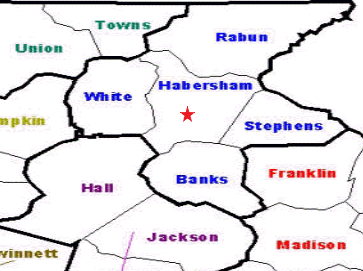
So now what? The next step is to order one more 15 lot of Assorted Rainbow Hens from Myers Hatchery. That should give Mel enough eggs, starting this summer, to start selling fresh chicken eggs in a four county area. After that, she'll start her regular chicken farm business with birds and hatching eggs to sell. I might mention that none of the driving distance to the farthest edges of each county is more than 30-45 minute driving distance from home. That's also added into the egg price. She's picked a central location in each county to deliver the eggs to. The customers will meet her on specific days and times to purchase the eggs. Yes, she even went so far to get permission to use the spot from the owners of the property. It's only common courtesy, right?

Off the hand and onto the perch.
She is also going to set up a tent at the county's chemical-free farmers market each Saturday from 8-12. She'll be selling eggs and homestead crafts. We don't yet have a tent, but we do have a patio umbrella and chairs. We have a small, fold up table for crafts and plenty of scrap material to make a table covering with for this season. The coolers with the eggs can be house inside the vehicle to maintain the required coolness of the eggs. Yes, Mel has taken the required egg selling course and is certified to sell eggs. This is required and regulated by the state of Georgia. Although the farmers market is only open until September, she should be able to garner more customers for year around delivery of her products. That's the plan anyhow.

Meanwhile, we'll hit Tractor Supply up during their Chick Days for her breed specialty large pens in lots of 25 chicks each. The shipping is too much from the hatchery. Of course, these are sold in only straight run birds.  All extra roosters will be culled for homestead use this year. It will be quite noisy around here with all those chicks in brooder boxes for four weeks. But we can handle it, we're pros at raising chicks.

Choosing breeds and training chicks...
from Meyers  Hatchery site
Of course, genetics play a part in training chicks. We usually choose breeds for friendliness, fairly docile, and great producers.  Even so, we tend to stay away from the white egg layers preferring brown eggs. It's not that white eggs have less nutritional values, but our customers want nonwhite eggs. To them, standard white eggs can be bought at any grocery store. Customers are willing to pay a premium for colored eggs. We want that market! Our eggs aren't cheap, but they have bright, orange yolks, our chickens are raised in luxury compared to large scale egg producers, and each one (no small task) is lavished with the best food and care. Happy chickens lay healthier, better eggs.

Into the coop you go.
We start training our chicks from the first day they enter our homestead. After the initial water, warmth, and food training, we handle each chick daily. At first, it's just putting our hand in the brooder box and talk to them to get them used to our voices. Over the next few days, each will be handled and brought to our eye level. We talk to them constantly at this point. We check for any illness, poopy butts, pasty butts, and their general health. Any health issues are attended to. We'll do this several times a day until every chick is done at least once. Believe me, it goes faster with less stress to the birds with two people doing this.

Each day, the chicks' tension and fear dissipates. The more adventurous chicks will even run up to your hand when it's introduced into the brooder box. Within a week, they will try to perch on your fingers. It's a lot less stressful for you and them when they do this. Eventually, the whole brood will be fighting for position as soon as the lid
Moving day for you my dear!
comes up to be the first. At this point, you have them trained for life to be people friendly. They trust you not to hurt them so they are more relaxed about being handled. Within a matter of a few weeks, you are firmly imprinted on their minds as care givers to them. It's sort of like raising children, only much quicker.

We'll do the same for any chick or critter on the homestead even adopted ones. And yes, quail are still in the mix too.  Somewhere between the second purchase of hens and the TSC Chick Days we'll have quail eggs in the incubator. Being how small quail are, they can brood in a large tote. So that's the now "what's next" for Mel's chicken farm operation. Hopefully by 2021, she'll have her business producing its own self sustainable, steady income with room to expand farther.

Y'all have a blessed day!
Cockeyed Jo

Sunday, February 2, 2020

Moving Day for the Chicks

We had our first showing of snow this winter. Flurries that melted as soon as they touched the ground. It lasted about twenty minutes to be followed by rain and more rain as the mercury in the thermometer rose to the daily high of 50 degrees. Now on to the chicks...                                                                                                       
 
Of the fifteen Assorted Rainbow chicks we bought from Meyer's Hatchery, fourteen made it to four weeks old. One chick died just after its one week birthday. Today is moving day for the rest of the chicks. They are fully feathered, and over the past week, they've been acclimating to the colder temperatures during the day. They are honestly too big to stay in the 2x4x2 brooder box. They've quadrupled in size and have been trying to fly.

We contemplated setting up a bigger area for them to brood them a little while longer, but figured we'd just move them to the new grow out coop instead. This grow out area was built inside the old hoop greenhouse. It's within 10 feet of my bedroom window. It will be easy enough to run a power cord out to it from the house for a heat lamp. It is only February with nighttime lows in the 20s. They are still too little to are cuddle together for extra warmth they still need.

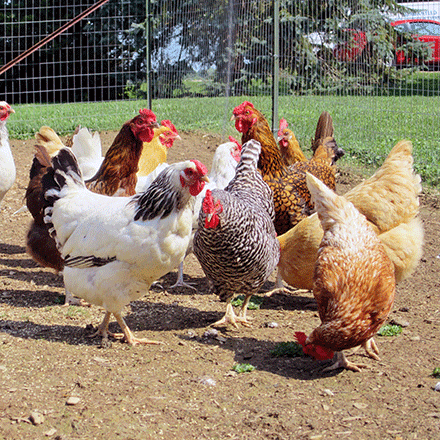
Soon our girls will be this big.
They have plenty of fresh straw for bedding. The two-gallon poultry waterer and feeder will be put to good use again until spring thaw will allow the automatic drinking cups can be used. We set up a 35-gallon rain harvesting bucket just for this purpose. The gravity fed system will give them ample hydration during our hot weather months. The automatic feeder (4" PVC pipe)will hold a few days worth of feed for them. They are both situated under the coop for protecting the feed from the weather.

So for the next couple of weeks, their coop will be their brooder and home while we build their outside run, There is still space within the greenhouse structure for them to explore and be outside all within the 3' tall pallet sided area. For the base of the open area and run is dried leaves 1' thick for them to scratch in, and bona fide dust bath area full of sand and wood ash for their pleasure. Until now, they've made do bathing in pine shavings.

We hope!👍
As soon as the hens are big enough, they'll join their sisters in the bunny/chicken barn. In March, we'll be ordering more chicks and quail hatching eggs to kick off Mel's poultry farm off with a bang. This order for chicks will include roosters. The plan is to order chicks in lots of twenty throughout spring and summer every other month so we have a good mix of bloodlines to start. From there she can hatch out our own eggs.

The focus of the first year is egg production and sales. She's laid out a delivery system for a three county area. The second year, she'll sell chicks, poulets, layers, and roosters for added income. Again, each sets of chickens and quail must pay their own way and fund the next set of coops and runs. The quail have a quicker turn around time in the profit margin so selling both is good business sense.

More pictures of Mel's growing poultry farm coming soon!

Y'all have a blessed day!
Cockeyed Jo


Sunday, January 12, 2020

The Cockeyed Chicken Farm Begins! We Got Babies!!!


Awaiting chicks
The brooder box Mel built out of scrap lumber now sits behind the sofa. Made from 2x4s and sheeting boards, this thing is heavy! Mel had to dismantle it and carry it in pieces, and put it back together in place. When I asked her why she didn't split the 2x4s on the table saw, she said, "I dunno. I didn't think of it."

Instead of a heat lamp, we're using our heating pad once again. This time it's draped over an arched wire frame work. The chicks can go under it for warmth. We put a layer of pine shaving on the bottom of the box. It's easy enough to clean out with a whisk broom and bucket for the waste...it will all go into the compost pile.

 Mel ordered fifteen All Female Rainbow Chick Layers from Meyer's Hatchery last week and the variety assortment arrived on Tuesday. The ad said at least 5 different breeds of chickens and from the looks of the identifying leg tags, we've got 7-10 distinctly different breeds.

From Meyer's catalog
From the picture in the ad, they should be a colorful assortment. We decided not to free range these because some of them are considered rare breeds. We want to protect them. These are strictly egg layers. With so many varying breeds of chickens in one coop/run, it will be interesting to see what kind what kind of personalities and pecking order they establish. Up until now, we've only raised Rhode Island and New Hampshire Reds, and Buff Orpingtons. We'll raise all of them to be friendly to humans. Not necessarily children friendly 'cause we ain't got any rug rats around this homestead. Or, at least not at any given time.

Every day, these chicks are handled by Mel and I. We just can't help it. They are such cute, little puff balls right now. We'll talk to them and cuddle them. We are certainly imprinted in their little minds already. I expect they'll try and follow us all over the place if we let them. I can see it now, all of them squawking to be picked up and loved on every time we enter the chicken run just like Broody and Black Butt does now. Lord knows, the the decibel level of peeps of these chicks dropped once I put them under the heated section of the brooder or we snuggle them inside our flannel shirts.

From Meyer's catalog
I'm personally looking forward to spring and having our own, fresh eggs again. Broody and Black Butt have stopped laying eggs. For Broody, I think it's age. She is in her 4th year. Black Butt stopped laying in the nest box with the Kassity killing Baby Girl. It could be a winter thing too.  I may put a nesting tote in the bunny/chicken barn. So we've actually had to start buying eggs from the store for homestead use!  I can surely tell the difference between our eggs and store bought ones. The yolks are yellow instead of orange and the whites are runny in comparison. There's a difference in taste and cooking/baking results too. Our homestead eggs were superior. Hopefully these new chicks will start laying by June for abundance of eggs to have and sell. Plus eggs from the other birds.


The quail pens are built and awaiting quail. Next livestock auction, I'll be buying some full grown quail and buying some fertile quail eggs to incubate. So our poultry farm begins. I'll have to revamp this design to add some quail and change it to "poultry farm." I still need to clean up the design some. Or, maybe I'll leave it alone for now.

Y'all have a blessed day!
Cockeyed Jo

Sunday, December 22, 2019

Quail Hutches and Chicken Coops/Run Plans

For the past couple of weeks, Mel has been a busy beaver with the SketchUp program. It's been cold and rainy so instead of trying to work on projects, she's been fine tuning the designs for the quail hutches and the designs for her chicken farm coops. She's also been searching the internet for designs (mostly YouTube) for this and that to make care of these new Cockeyed Critters easier on us. We ain't getting any younger, but maybe a little bit smarter.😉 She tweaked her original designs to incorporate these new elements we liked. I pulled her thumb drive with the pictures to be able to share them with y'all. So you get the first peek!

First up, (because I can 😁) is the new quail set up. We decided to sell extra birds (various stages of life) and the eggs too for eating and hatching. Why not have our efforts pay for themselves like every other critter on our homestead, right?

From our research we decided all hutches would have the following:
  • Utilize/reuse our oil drip pans from the rabbit hutches for the quail for their droppings.
  • Recycle all 99.9% of rabbit hutches for this project, we might need some new screw or staples.
  • ALL cages will have a gravity fed, automatic water system, and bulk feeders. We have leftover cups, PVC and fittings from other projects. Our bulk "J" feeders from the rabbits will work for the quail.
  • Dust bathes areas will use sand (leftover from gardening), wood ash from our wood stove, and the extra plastic shoe boxes from our fodder operation will find a new purpose in this. 
  • The extra floor tiles from the rabbit cages will be used to allow the birds to get off the wire bottom and serve as the base of the cardboard hide spots. 
  • One corner of each cage will have a "wild" area of branches, leaves, and a straw bed for the birds' enjoyment.
  • Although each cage has the room for 100 birds, a max number of quail per cage will be 50. 
  • To deter rats, snakes and other predators, 5 sides will be 1/2" x 1/2" welded wire. The 6th side is painted plywood. We decided not to slant the floor and configure roll out egg catchers for the very same reason. We configured the doors large enough so that I reach in to grab birds and/or eggs left-handed.
  • Instead of wood cross pieces to support the cage floor and litter tray, PVC will be used for easier clean up. 
  • Each set of hutches will have an 18-gallon tote underneath it with a 8'x6' tarp for inclimate weather, and at least 10 lbs of food at all times. 
  • Each hutch will have a salvaged metal roof for added protection from the weather.
Now onto the pictures!
Breeder cages


Brooder/Grow-out/Harvest or Sale Cages

 THE PLAN

The Breeder hutch will house the quail that we'll get our eggs from. They will be eaten, sold as eggs, or sold as fertilized eggs, or incubated for additional stock. It has four cages for abundant supply for each. Although, the first  100 eggs will be incubated for more breeding stock and a start on our own food needs. We'll allow the two weeks of eggs to be eaten or sold to give the males a chance to figure out what's what before incubating the egg harvest. with a ratio of 3 hens to one rooster, the odds of having fertile eggs is greater. Each cage will house 5 roosters and 15 hens even though the cage will hold 40. Who wants to live in a crowded house for two years? We'll be on the look out for excessive fighting and abuse during the first few weeks while they establish their own pecking order. Offender and severely abused quail will be eaten.😈 I will be holding one of the four breeding cages open for suitable replacement birds. These will be the largest birds by full grown weight not on the breeding cages by the same ratio.

The Brooder/Grow-out/Harvest or Sale Hutch will house quail chicks from 4 weeks old to maturity at 6-7 weeks old and serve as holding pen for quail harvest or sale. The plans call for two to be built upon a successful 6 month run of sales of eggs and birds. If the demand market is low, then only one is necessary for homestead needs. The cost of the second cage will be from profits of the business. Quails will be sorted and sexed at 6 weeks old.
  • The top cage will have a light, if necessary, for heat and can be closed in on two sides by hanging tarp pieces. (salvaged from large ripped tarp with new sewn edges)
  • The middle cage is strictly a grow out cage until the quail reach maturity or harvest weight of at least 8-10 ozs.
  • The lowest cage will house extra roosters and hens ready for harvest or sale. These will be 8-12 weeks old. 
Now, onto the chicken.
Cockeyed bunny/chicken barn
Two of our older birds, Miss Greedy Piggy and Goldie (two-year old hens) will be gifted to our local librarian who wants them. She bought a dozen eggs from us every two weeks.We are keeping Broody and Black Butt who are proven to go broody and are good mothers for our homestead flock. They will continue to roost and stay in the bunny/ chicken barn.

They will eventually be joined by a dozen assorted egg layers for homestead egg  and egg sales. These birds will free range. The five chicken we hatched out will be in the bunny/chicken hoop barn with Broody and Black Butt when they reach an appropriate size to introduce them. They'll be our free ranging stock.The five chicken we hatched out will be in the bunny/chicken hoop barn with Broody and Black Butt when they reach an appropriate size to introduce them. A chicken door will be added to lead out to the homestead. We do love our chicken integrating themselves in our daily activities as you can tell from our videos. Eventually, this will be our designated brooding or Americana chicken area. We haven't decided yet.

The first coop and run was built to overwinter our free ranging chicken. It is now vacant and needs some TLC which it will receive.  For the second, new coop and run, we are taking advantage of a past building project, the hoop greenhouse. Though not as big as the bunny/chicken hoop barn, it'll serve its purpose as a grow out area for chicken until they can join their larger companions in the big runs and coops. Since we only have two rabbits now, they'll only require one quarter of their 12'x 26' bunny/ chicken barn for them and all their needs (grooming station, feed, hay, and romp area). That leaves the rest of the space for Broody, Black Butt and whomever we put in there with them.

This is the design Mel came up with for utilizing these hoop barns for chickens. The coop will be built inside of the enclosure with a small run within. When the chickens get bigger and need more space and run will be built off the greenhouse conversion. Notice the small chicken door inside the human door. This will lead to the run area.

The old greenhouse set up will be strictly grow outs. We can add a heat light if the need arises. Mel is thinking about getting her first set of 25 chickens next month and the second set of 25 in March for her initial start up for her farm. By the time the first set of 25 starts laying eggs, the second set can be moved in with them. This will populate the first orchard pen. We'll start buying lots of 25 chicks every year after that too keep the interbreeding mix low for healthier chicks. Meanwhile, we can hatch out our own eggs too to grow her business. Financially, purchasing twenty-five chicks in rotation is a lot more feasible than fifty.

Now for the chicks we hatch out ,be they quail or chickens, Mel designed brooder boxes for them. They are 1 1/2' x 4' x 2' each. They are made from scrap pallet lumber and leftover bits and pieces Mel has in her shop. A lamp can clip on this and still have space to put feeders and waterers. They are small enough for easy clean outs, but big enough to house the birds until they feather out and can be moved to the grow out houses. She can build multiples and they are small enough to fit behind the sofa or anywhere really.

Now Mel has also designed the chicken coop to go into the orchard too! This 8' x 12' x 8' building will be on every other row because it also has storage space built in. Each downward roof angle will be guttered into a gravity fed automatic watering system to service two coops and runs. In the storage area there will be allotted space to gather eggs, stores food, scratch, tools needed to tend the coop and run areas, and straw to clean out two coop areas. It also allows for the tender to get out of the weather which is always a plus. By building two, it cuts our weekly/monthly in half with less wear and tear on our older bodies. We are being kinder to our bodies, instead of traipsing up and down a quarter acre worth of terraces carrying implements, feed, and bales of straw as we work towards raising healthy chickens and eggs.

We are looking to work smarter not harder. This way our yard tractor and cart can move the debris to the compost heap at the end of each run. It can also transport finished compost to where we want it. We'll build a two-stage compost bins out of pallets for the end of each run. I never quite saw the sense in a three compartment system.The beautiful part of this plan is that the building and operating costs of this venture (besides the initial investment) pays for itself and pays it forward as it expands. Each chicken coop and run will house 50 birds for a total of four units. We won't put the big chicken/egg companies out of business, but Mel can earn a nice income from it.

Y'all have a blessed day!
Cockeyed Jo

Sunday, November 24, 2019

The Great Chicken Experiment Results

I'm a bit late with this report by a week or so. I simply just plum forgot to blog it.

Three days before we stopped turning the eggs, Mel candled them with a small mag-lite flashlight. Mel was impatient (grinning). One of these days, I'll spring for a regulation egg candler, but that ain't today. We can't justify the expense in our mind.

What she found were two empty eggs, unfertilized! I still can't figure out how this happened with two roos and only five hens. But then, maybe they (the roos) were having an off day, or the hens managed to run faster or hid well.

We lost two eggs, to temperature variations, they died in the eggs. Darn Kassity kept pulling the blanket off the eggs during the night for a comfortable spot to sleep.The last five were kicking up a storm inside the eggs. I'm guessing these were highly viable eggs. 😝 We candled them again before we put them in lock down on day 17 with the container, same results.

When we put the eggs in lock down, we filled the bowl with the sponge with water to increase the humidity within the tub, We also removed the heat lamp leaving only the heating pad under the eggs. The temperature held at 100 degrees just fine.

On day 20, we heard cheeping in the tote, but resisted the urge to open the container. It was hard not to cuddle the new babies. But if we wanted all the chickie babies to hatch, we had to keep the humidity high in the tote.

Sorry for the blurriness.
On day 21, the noise in the tote had increased so we chanced it. The new babies would need hydration. Their internal yolk sack would handle the nutrition. Plus, we couldn't wait any longer. We opened the lids and were greeted by five little puff balls. I haven't sexed them yet, but we're hoping for hens. They look to be all RIRs because of the darker coloring on their heads. But as they get to feathering out, we'll definitely know.

So we would have had 100% hatch rate again except for the unfertilized eggs and if Kassity had left the blanket alone. I still can't believe two eggs weren't fertilized! Instead, Mel's method gave us a 55% hatch rate this time. Next time I'll break out the gifted incubator too to see if we can get more. I'm experimenting here preparing to hatch quail eggs closer to spring.

WTG! for Mel's Cockeyed Homestead Chicken Farm, but none for Hoo-De-Hoo's (AKA Houdini) harem, poor guy. Maybe he'll have better luck with the next hatch out. We plan on doing this three more times before spring. I'm still hoping for at least five more RIR/Buff crosses for him. All crosses will free range plus get fermented feed.

We should have a full complement of Rhode Island Reds (RIRs) and more than enough to start her egg selling business and a few spares to sell at auction. So some reason, brown egg layers command a premium at auction. I guess it's an esthetic thing, they don't taste any different. We'll start all of them on organic starter feed with no antibiotics. Yes, I'll be supplementing their water with ACV (apple cider vinegar) and their crumble with dried herbs and garlic powder.

Cockeyed Dog Food
They'll eventually "free range" in our garden and orchard in tractors until the hens start laying or they are sold. Our breeder flocks of RIRs will not be free ranged, but will have their organic, fermented feed supplemented with fresh greens and veges daily. We only produce organically raised birds not that it'll matter to most frequenting the auction house, but for us it matters. All but a select few RIR roosters, will be culled or sold at about 20 weeks old. Mel still hasn't found a processor for her chicken yet. I guess she's going to have to learn how, because I ain't gonna do more than two a day for our household consumption. That will cut into her dog food making ideas.

I'll cull the Hoo-De-Hoo/cross rooster babies because we only need the hens for egg layers. I consider these homestead only stock. I'll use the meat for our use. I don't expect to get many of those. I'll keep an eighteen-month rotation of hatching these eggs schedule unless one or two go broody. Hens older than four years-old tend to lay more sporadically. We can't have our eggs business lag once we get a strong customer base. After all, we all do even more baking during the holiday months, don't we?

Americanas
Once Mel gets established, I can see needing a greater number to sell to maintain and increase her profit margin. I don't foresee a glut in the chick, egg, layer, rooster market anytime soon. So she'll probably have a pretty good income/profit margin within two years. We still want the Americanas too. We'll probably purchase those in the spring from our Tractor Supply. As far as a third or fourth breed, I dunno. It remains to be seen as she grows and whatever strikes her fancy to add.

Y'all have a blessed day!
Cockeyed Jo


Sunday, October 20, 2019

The Great Chicken Experiment or ...

Mel's latest money making venture. Namely, becoming a chicken farmer. Her plan includes selling chicks, pullets, cockerels, layers, roosters, and eggs. She has narrowed the breeds to two with a possible third: Americana and Rhode Island Reds with Buff Orpingtons as a possible third.

We are well versed in the hatching, raising, and caring for two of these breeds. Currently owning Buff Orpington and Rhode Island Reds, we have learned their personalities and manners. We love both of these breeds and highly recommend both breeds for southern homesteaders. Both of these are dual purpose (meat & eggs) breeds with cream to brown, large eggs. They are prolific egg layers.

The new kid on the block will be the Americana breed. They are a cross breed of Ameraucana and Araucana breed chicken. As a novelty egg layer, hens lay colored eggs between olive green, blue, and turquoise eggs. The layers are less robust than the orpingtons and the reds, but about 240, medium sized eggs a year. Just think, no chemically dyed Easter eggs for Easter!

We may be adding some Silkies are mother hens since they have a great reputation for broodiness and mothers. We'd much rather raise chicks the way Mother Nature intended. While Rhode Island Reds RIR) are not known for broodiness, our Black Butt has turned out to be an excellent mother just as Broody. aka Gimpy, was to her last brood of New Hampshire Red chicks. I'm holding out for Goldie, our remaining Buff hen, to go broody. That breed is supposed to be broody, but she hasn't yet at two years old.

So we are getting a jump start on hatching some chicks of our own with our cockeyed incubator. (Instruction below)Yes, we know it's late October, but we're just in an experimenting stage. These eggs we've gathered from our free range birds could have been fertilized by Big Red (RIR) or Hoo-de-ho, our Buff rooster, or not fertilized at all. We'll have to wait and see.

In the meantime, we set up the our cockeyed incubator today. Now we have a standard electric incubator, but we've had better hatch rate this way. We've managed only a 75% hatch rate with the electric incubator with ours Mel managed 6 chicks from 6 eggs. (it may have been beginner's luck too.)  In case you can't figure it out, that's 100% hatch rate.

So, do you want to know how we did it? This time I took pictures while Mel set it up.

Our Cockeyed Incubator
(it was copied from similar models on YouTube)

What you'll need
An 18-gallon tote
A heating pad (ours has three settings low, high, and off)
Several beach towels
A small bowl
A sponge
Light fixture with 100-watt bulb, we use our brooder box light
A temperature probe (mine was one I used as a chef)
A pencil
Unrefrigerated eggs, 1 week or less old

Putting it together
Step 1
We laid a heating pad on a folded  a beach towel fold it into quarters. We
turned the heating pad on high. Our heating pad is an older model that does not cycle off when the temperature has been on too long.


STEP 2

We folded another towel and placed it inside the container. This gave the eggs a comfortable cushion with a cotton pillowcase for the eggs and to stabilize them. We can bunch up the pillowcase easier than the towel to keep the eggs in position.


STEP 3
Next we placed a thermometer in the tote and the 100 watt bulb in the tote.Notice we have not punched any holes in the tote. We can reuse this tote for a large optional storage solutions later after cleaning it with bleach, soap and hot water.

STEP 4
We placed a small bowl and a sponge in the corner away from the eggs but still on the heating pad.We poured boiling hot water over the sponge  Enough to soak the sponge and leave 1/2" in the bowl. You'll maintain this until hatching is complete.

STEP 5
Check your eggs carefully. If one appear abnormally large, it's probably a double yolked egg. (Miss Greedy Piggy is notorious for giving one of these a week). It may not hatch or develop twins. Not a good choice for hatching, but wonderful for baking with. Some eggs may have tiny cracks or a hole in the shell. These are also good candidates for hatching. Heavily soiled eggs (feces or dirt) also should not be incubated also. Have them for breakfast instead. Two of our "to be hatched" fell into this category so we are hatching 9 instead of 12.

STEP 6
Take each egg an draw an "O" on one side and an "X" on the other with a pencil. I know some people who do this with a marker, but I have concerns of the chemicals leaching through the porous shell. Do you know what chemicals or dyes are in a Sharpie marker, I don't either so I don't want it anywhere near my chicks.

We'll place the marked eggs  onto the towel "O" side up.


STEP 7
We will be manually turning these eggs  four times a day until day 17. The "X"s and "O"s will tell us it has been done without yelling at each other to ask. We start at "O"s and the evening it's "X"s. Then we'll start again at "O"s again in the morning.

When we open the box to turn them, we lose all that lovely humidity and warmth the eggs need so we'll pour some hot, steamy water into the bowl before we close the lid again. Each morning turn, we'll empty the bowl, squeeze the sponge, and add fresh boiled water again to the bowl.

STEP 8
Place the container lid on the container. To regulate the temperature, simply open the lid part way if it's too warm. If more heat is needed, cover the whole tote with a blanket. Remember to plug the cords into a power strip and make sure it works. Do not add your eggs until you reach 99 degrees in the tote. It will do so in a few hours. We do a standard 12 hours and check it frequently.

We will candle these eggs when we stop rotating them. We will discard any unfertilized eggs. It's doubtful with two roosters doing their rooster business on the so few egg layers, but it can happen, right?

***************
With our nighttime lows dipping into the low 50s, we cover them at night too to help maintain the temperature overnight. We don't have CH/A, but it's too warm to start a fire in the wood stove so we do what we can to compensate. Mel has hatched chicks twice now with 100% hatch rate. The first time in February 2014, she chocked it up to beginner's luck, but a second time  in 2016 was more than beginner's luck.

If the chicks that hatch and survive fall into the RIR/Buff category, the hens will go into the household use (personal use or eggs for sale). Otherwise, (especially cockerels) it's the canner pot for them when they reach harvest age and weight. The true RIR are born, they'll be separated to start Mel's egg farm operation.

That's the plan anyhow. But you know what they say about don't count your chickens before they hatch. Projected hatch date is November 5th or there about. Wish us luck.

Now, in the meantime, I've been researching Pharaoh quails.  Since Mel and I are are dark meat fans, it only makes sense, right? They are all dark meat and easy for me to care for and be  harvest by me alone. We also have unused rabbit hutches outdoors. I'd only have to redo the hardware cloth, but we have to redo it that anyhow if we move the rabbits outside and we have enough hutches for ten rabbits which we have two. We lost Alby and Moira this week.😥

Mel's on the fence about this. If there's a market for chickens and eggs wouldn't there also be a market for quail? Of course, they wouldn't be free range nor "organic." But, they would be antibiotic free. I imagine I could come up with a seed and grain mixture like I supplement the chickens free range feedings with during winter. Still researching options on this. I can fit a whole lot of quail in two 37" x 29" rabbit cages (5.5 sq ft) plus the surplus rabbit cages we have. I'm just saying, waste not, want not.

Y'all have a blessed day!
Cockeyed Jo